

How To Get Rid Of Termites: A Comprehensive Guide For Stuart Homeowners
When discussing how to get rid of termites, it is essential to consider removal and detection. Termite removal and detection go hand-in-hand because termites are not nuisance pests. What do we mean? Think of it this way: If you have a nuisance pest, and the treatment you apply to arrest the pest activity fails, you will have the motivation to keep trying. You'll still see them crawling or flying around inside your home. It is rare to see termites before or after treatment. They are sneaky insects.
Since detection is critical in uncovering a problem before extensive damage is done and monitoring your home to make sure no termites remain active in the structure, before we discuss how to get rid of termites in your Stuart home, we'll first examine how to know if you have termites, how to understand the warning signs you see, and how to measure the risk. Then, we'll share the most effective strategies professionals use to deal with the different types of termites in Stuart.
If you'd like quick answers to termite questions, remember that your Above and Beyond Pest Control team is here to help. Contact us at any time.
How To Identify Termites: Types, Behaviors, And Warning Signs
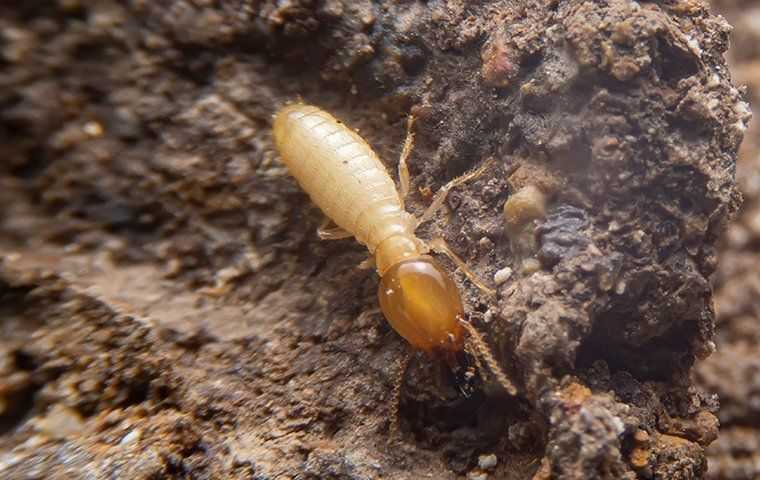
There are a few different types of termites in a termite colony. It helps to know what they look like, how they behave, and what warning signs they leave for you to find. If you catch termites in Stuart early, you can prevent serious damage to your property.
Workers:
The first type of termite you need to know something about is the termite worker. It lives its entire life in utter darkness and does everything possible to stay hidden from view. It doesn't like the light and will even avoid coming out on a moonlit night. When looking for warning signs, you'll need to look in locations that block the light, such as underneath a deck, in a crawl space, or under objects in your yard.
What do termite workers look like? Well, they're about 1/8 of an inch, off-white, six-legged insects. They're often described as looking like fat ants because a termite worker does not have a pinched waist like an ant.
What warning signs do termite workers provide? Here are a few:
- Subterranean termite workers create shelter or mud tubes on surfaces. These are often hard to see because the workers build them in hidden areas. A shelter tube is a mud structure about the width of a pencil. Sometimes, they construct several on top of each other.
- Drywood termite workers create frass, which are essentially their droppings. The droppings of drywood termites look like wood pellets and are the same color as the wood the termites are eating.
- Both subterranean and drywood termites damage wood, but you're more likely to see drywood termite damage because they attack hardwood, such as window sills, door frames, and baseboards. Subterranean termites prefer soft wood and will eat the wood inside your floors, walls, and ceilings.
Soldiers:
Soldier termites have the job of protecting the workers. They travel with workers through tunnels in the soil and inside wood. They're hard to find because they hide with the workers.
A termite soldier has a dark orange head and black pincers on its face. At a glance, you might think it is an earwig because of those pincers, but earwigs have their pincers on the end of their abdomens.
What warning signs do termite soldiers provide? Let's look at some:
- Soldier termites are larger than the workers and easier to see. When you go looking for termite workers, you may notice the soldiers first, so it is a good idea to know how to recognize them.
- Termites make a noise you might hear if you have a termite infestation. The soldiers bang their heads on tunnel walls when an enemy is invading. You may hear this as a rustling noise in your walls.
- When you find a hole in a piece of wood, you might see an insect with black pincers sticking its head out if termites are in it.
Alates:
Alates are the winged termites you see in the spring. The term "alate" means to have wings. But they don't keep their wings for long. The alates pair off and mate quickly (in less than an hour). After pairing off, they tunnel into the soil or climb into the crevices of wood to create new nests.
An alate is black or dark orange and has long white wings. The entire length of an alate, from head to tail tips, is about 3/8 of an inch. The wings stack on top of each other and look like a long teardrop shape.
What warning signs do alates provide? Let's see:
- You may see these insects swarming on the ground or on an exterior wall.
- You may see a swarm fluttering around an exterior light at night.
- You may see a single swarmer crawling by itself on the ground—or on your body.
- You may notice their shed wings scattered on the floor, window sill, ground, or stuck in a spider web.
You can use these tips to help you zero in on termite activity and signs of termite damage. You may also contact Above and Beyond Pest Control for an annual termite inspection. Our professionals use field-tested methods and specialized equipment to check for termites.
Now that you know how to detect termites, let's discuss what it means to find warning signs. It is so easy to shrug off a termite problem because of the sneaky nature of these insects. We don't want you to do that. The risk to your property is too great.
Devastating Effects: Understanding The Potential Damage Of Termites
When you pick up a piece of wood in your yard, and half a dozen termite workers are crawling on the bottom, you may not even notice them, or you may see them and think they're something other than termites. But, if you do recognize them, you may still ignore them. How much damage can six termites do? The answer is—not much. But the problem is that you don't have six termites in your yard. Those workers came from a colony. Here are a few things you should know about those workers and the colony they came from:
- A termite colony can have hundreds of thousands of workers.
- Workers are incredibly adept at hiding.
- Termites live to eat and grow their numbers.
- The longer you don't address those termites, the larger the colony can get.
- When the colony matures, it produces alates, and those termites pair off and attempt to create more colonies, increasing the number of termites in your yard.
- The workers in your yard will relentlessly apply pressure on your home until they get in and locate a food source.
It is important to understand how termites behave. They don't move on or go away. They stay, grow, and produce more colonies. But what impact does this have on your house? What causes termites to get into your home and damage it?
Understanding The Termite Threat: Why Termites Infest Homes
There are many factors that can make one home more susceptible to termite damage than another. Some of these are within your control. Some are not. However, it is important to understand how termite infestations begin:
- If you have rotting wood in your house, you'll attract termites.
- If you have wood-to-soil contact, subterranean termites can enter your home without making mud tubes to travel through.
- If you have a pile of sticks in your yard or some other wood source, you'll have more termite activity and faster colony growth.
- If drywood termites can find a route into your house, they can establish a nest indoors.
Every home is slightly different, but termites can threaten all structures in Stuart. It is smart to contact a local termite company and get proactive termite damage prevention put in place. Let's look at the trusted solutions for termite control.
Professional Termite Control: Long-Term Termite Control And Protection
There are primarily two types of termites in our area—drywood and subterranean termites. A residential pest control program that includes termite control can help guard your home and protect you from both threats.
Effective termite control comes with termite removal and detection. In the case of drywood termites, at Above and Beyond Pest Control, we often use fumigation to arrest termite activity. Once we do this, routine inspections and liquid applications to the exterior of your home can prevent future infestations.
When it comes to addressing subterranean termites, there is no better solution than the Sentricon® System with Always Active™ technology. The Sentricon® System is a bait solution that provides colony elimination and termite detection. If termites take the bait, your technician will know.
Do you need termite control in Stuart? Contact Above and Beyond Pest Control to get started with a termite inspection. We can look at your property and offer advice to help you get the best protection possible. Connect with us today!

-
"I cannot thank Above and Beyond for the quick service and professionalism!"

-
Over 20+ Years of Experience
Our team of skilled professionals combines their expertise with the latest techniques and technologies to deliver effective pest control solutions. You can trust our experience to tackle even the most stubborn infestations with precision and care.
-
Honest Transparent Communication
From the initial consultation to the completion of our services, we keep you informed every step of the way. We'll thoroughly explain our treatment plans, answer any questions you may have, and provide transparent pricing without any hidden fees or surprises.
-
Local and Family OwnedWe're a family-owned and operated company rooted in the Lake Worth, Florida community. Our local ties mean we understand the unique pest challenges of our area, allowing us to provide tailored solutions that truly work for you and your neighbors.