
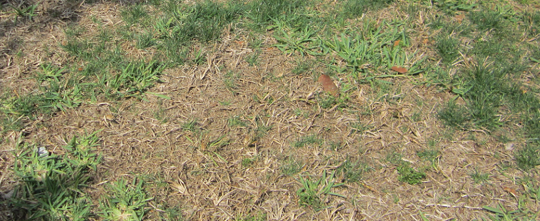
Maintaining the aesthetic standards and property values of a homeowners association (HOA) or commercial complex in Palm Beach County is a year-round commitment. In our tropical climate, the landscape is often a community’s most valuable physical asset. However, a "silent killer" is currently ravaging lawns across western Boynton Beach, Wellington, and Lake Worth, leading to millions of dollars in unexpected sod replacement costs.
In this article, we’ll help you understand the threat of Lethal Viral Necrosis (LVN) and how it impacts large-scale property management. We’ll start by identifying the symptoms that are most visible during these cooler winter months. Next, we’ll discuss how this virus spreads through common landscaping practices. Finally, we’ll go over how a professional partnership with Above and Beyond Pest Control can help your board protect its reserves and community beauty.
Identifying the Threat: Lethal Viral Necrosis (LVN) Lethal Viral Necrosis is a disease caused by the Sugarcane Mosaic Virus (SCMV). While it can infect several types of grass, it is only lethal to the 'Floratam' cultivar of St. Augustine grass—the most common turf in South Florida HOAs.
Symptoms are most pronounced right now, when cooler temperatures (below 65°F) hinder the grass's ability to outgrow the infection. Look for:
Mosaic Patterns: Blotchy, yellow, or streaky patterns on green leaf blades.
Progressive Dieback: The turf may take on a yellowish or bronzish tinge before turning brown and dying completely, often within three years of the initial infection.
Resilience Issues: Infected turf typically does not respond to fertilizer or standard fungal treatments.
How LVN Spreads Across Communities The most common way LVN spreads between properties is through mechanical transmission. When landscaping crews move from an infected lawn to a healthy one, the virus is transferred via infected sap on mower wheels, trimmers, and even shoes. Because the virus cannot be cured with pesticides or fungicides, sanitation is the only way to slow its progress.
Strategic Management for HOAs and Commercial Sites For community associations, the financial burden of replacing an entire neighborhood’s sod can be staggering, with installation often costing between $1.25 and $2.50 per square foot. Professional management is key to navigating this crisis:
Sanitation Protocols: We work with landscape vendors to ensure equipment is properly disinfected with solutions like a 2% Virkon S mixture or dilute bleach.
Resistant Cultivars: If your 'Floratam' has already succumbed, we recommend re-sodding with resistant varieties such as 'Palmetto' or 'CitraBlue', which are recognized by the University of Florida for their durability against the virus.
Legislative Compliance: Under 2026 regulations like Senate Bill 822, associations with annual revenues of $500,000 or more are now required to retain licensed professional management, elevating the fiduciary duty of boards to verify that all vendors are properly licensed and compliant.
Don’t let a viral outbreak deplete your community's reserves. Call Above and Beyond Pest Control today at (561) 582-6622 to schedule a comprehensive landscape health inspection!